Senja: The Handwritten Font for Fresh & Casual Design
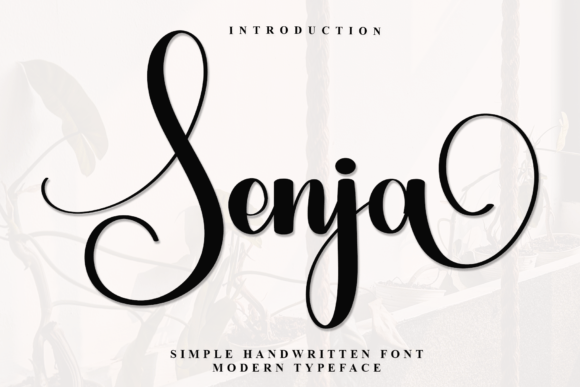
There's a moment in every design project where the typeface either connects with the audience or falls flat. For projects demanding a human touch, the Senja handwritten font offers an immediate solution, blending casual elegance with a fresh, approachable vibe that modern audiences crave.
In the realm of graphic design, typography is the voice of your visual message. Senja’s fluid strokes and organic lines speak a language of authenticity and warmth. It’s a typeface that doesn’t just display words; it conveys personality. This makes it an invaluable creative asset for designers, marketers, and business owners aiming to create a genuine connection through their visual design.
Why Senja Resonates in Modern Visual Communication
Modern design trends increasingly favor aesthetics that feel personal and less corporate. Senja answers this shift perfectly. Its laid-back character helps soften brand identity systems, making them more relatable. When used strategically, it enhances visual hierarchy by providing a stark, engaging contrast to clean sans-serif or serif fonts, guiding the viewer's eye and emphasizing key messages.
Practical Applications Across Creative Projects
The versatility of Senja allows it to elevate a wide array of applications. Its strength lies in adding a personal, crafted feel to digital and print mediums alike.
- Branding & Logo Design: Ideal for boutique brands, lifestyle products, or personal services where a friendly, approachable logo design is crucial.
- Social Media Graphics: Creates eye-catching headlines and quotes that stand out in crowded feeds, boosting engagement with its warm personality.
- Website & UI Design: Best used for hero text, call-to-action buttons, or accent elements, adding a human touch to web design without compromising UX design principles.
- Editorial & Packaging Design: Brings a handcrafted, artisanal quality to book covers, magazine headers, and packaging design, telling a story before the product is even opened.
- Marketing & Advertising: Perfect for invitations, thank-you cards, and ad campaigns that require a personal, direct tone to improve user engagement.
Integrating a Handwritten Font into Your Design Workflow
While a font like Senja is powerful, its effectiveness depends on thoughtful application. Consider these factors to ensure it enhances, rather than hinders, your professional presentation.
Prioritize Readability: Handwritten fonts are best for short bursts of text—headlines, logos, or pull quotes. For body copy, always pair Senja with a highly legible sans-serif or serif font to maintain clarity and visual hierarchy.
Context is Key: Align the font's casual elegance with your project's goals. It’s perfect for a yoga studio's brand identity but might not suit a formal law firm's corporate website. Always consider your audience's expectations.
Test for Scalability: Evaluate how the font renders at different sizes, from a small social media icon to a large print design banner. Ensure its charming details remain crisp and legible across all applications.
Choosing the right typography is a foundational decision in any design workflow. A resource like Senja demonstrates how a single, well-crafted typeface can inject warmth, personality, and a sense of authenticity into a project. By pairing such design inspiration with strategic thinking about color palette, composition, and audience, you can create work that is not only visually stunning but also communicates with genuine impact.