July: A Handwritten Font for Modern Design Elegance
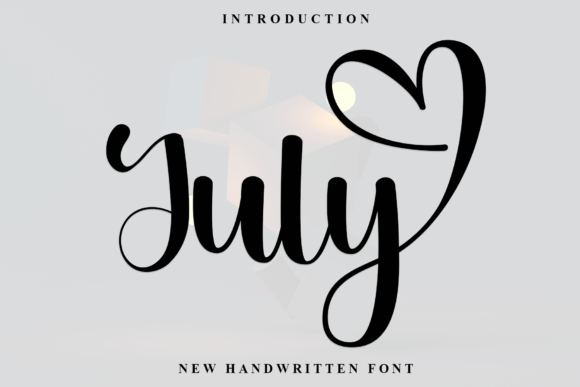
In the crowded landscape of digital assets, finding a font that balances timeless elegance with contemporary flair can transform a project from ordinary to exceptional. The July font is a stylish handwritten typeface that achieves this balance, offering designers a versatile tool rooted in classic calligraphy but refined for modern visual communication.
Understanding July's Design Philosophy
July is more than just a script font; it is a carefully crafted typographic asset designed to inject personality and sophistication into creative work. Its inspiration from timeless calligraphy gives it a graceful, flowing rhythm, while its contemporary atmosphere ensures it doesn't feel outdated or overly ornate. This duality makes it particularly valuable for projects that require a human touch without sacrificing professionalism.
Key characteristics that define July include:
- Impeccable Form: Each letter is designed with attention to proportion and flow, ensuring visual harmony in any composition.
- Balanced Variability: The font includes a range of glyphs and ligatures, allowing for natural-looking text that avoids robotic repetition.
- PUA Encoding: All stylistic alternates and special characters are easily accessible without requiring advanced design software, making it user-friendly for creators at all levels.
Practical Applications Across Design Disciplines
The true strength of a font like July lies in its adaptability. It can serve as a primary typeface for logos and brand identity systems where a personal, artisanal quality is desired. For example, a boutique bakery, a wedding stationery brand, or a lifestyle influencer can use July to establish a recognizable and emotionally resonant visual voice.
Beyond branding, its applications are extensive:
- Marketing Materials: From flyer headers to call-to-action buttons, July adds warmth to digital and print campaigns.
- Social Media Graphics: Its handwritten style is highly engaging on platforms like Instagram and Pinterest, helping posts stand out in fast-scrolling feeds.
- Web & UI Design: When used sparingly for headlines, quotes, or decorative elements, it can soften the often rigid nature of digital interfaces, improving user experience (UX) by adding visual interest.
- Editorial & Packaging Design: In book covers, magazine layouts, or product packaging, July can evoke a sense of craftsmanship and care, enhancing perceived value.
Integrating July into Your Design Workflow
When incorporating a distinctive font like July into a project, thoughtful application is crucial to maintain both aesthetic appeal and functional clarity. Here are actionable tips for using it effectively:
- Establish Visual Hierarchy: Use July primarily for display purposes—headlines, subheadings, or accent text. Pair it with a clean, highly legible sans-serif or serif font for body copy to ensure readability and create a clear typographic hierarchy.
- Consider Audience and Context: While July is versatile, its handwritten nature may not suit every brand. It works best for audiences that appreciate creativity, elegance, or a personal connection, such as in creative industries, lifestyle brands, or artistic ventures.
- Test for Scalability: Always preview the font at various sizes. Script fonts can lose legibility at very small sizes, so ensure it remains clear in your intended applications, whether on a mobile screen or a large-format print.
- Maintain Consistency: If using July as part of a brand system, document its proper usage—including specific glyphs, sizing rules, and color pairings—to ensure consistency across all touchpoints, from social media graphics to website design.
Ultimately, the choice of typography is a fundamental design decision that significantly impacts communication. A resource like July, with its blend of classic inspiration and modern utility, offers more than just aesthetic appeal; it provides a means to craft more engaging, memorable, and professional visual narratives. By selecting and applying such creative assets with intention, designers and creators can elevate their work, strengthen brand storytelling, and achieve a more polished and impactful result in any project.